
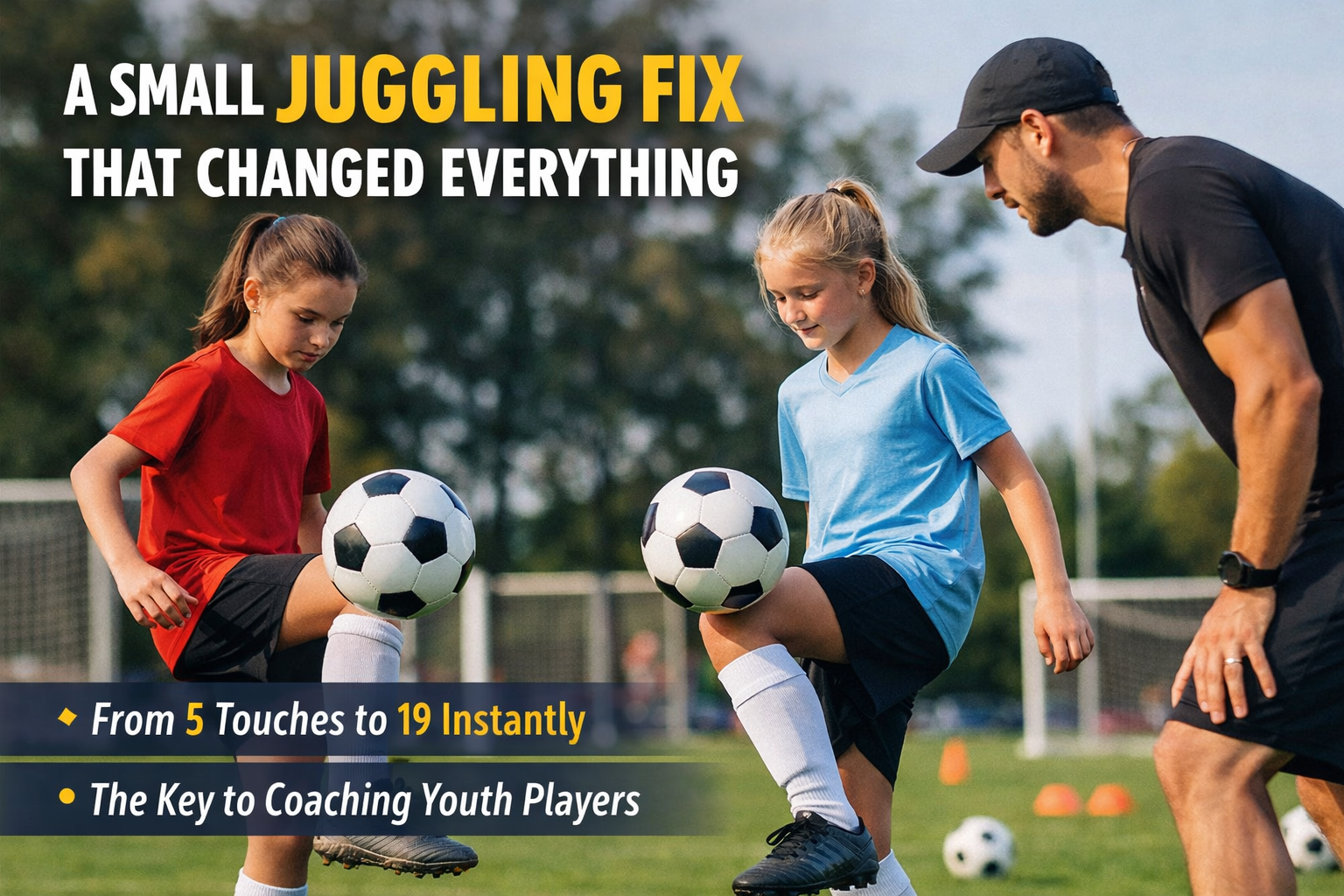
Today, during a private session, I decided to spend some extra time with two girls I was coaching on juggling to see if I could help improve their touch.
While they were going, I noticed they were averaging around 4 to 6 touches per attempt. That is usually a sign that something small but important is off, so I watched more closely.
What I Noticed
As I watched them juggle, I realized something I had never really thought about before.
Their ankles were locked in the wrong way.
They were locking their foot as if they were hitting a volley, so every touch sent the ball away from them. Instead, their ankle should have been locked the way it is when you are receiving a pass or taking a first touch, allowing the ball to stay close and come back to you.
I asked them to change just that one thing. Lock the ankle like a receiving touch.
The Result
That small adjustment turned 5 touches into 19 on the very first try.
They already understood the idea of juggling. They just needed one technical fix to get them past that early barrier. Once they started getting more touches, their excitement went way up because they were finally experiencing success.
That was the moment I realized something important.
A Gap in How We Teach Juggling
I have always coached juggling with cues like:
Keep the touch low
Keep the ball coming back to you
Stay relaxed
But I had never clearly taught how the ankle should actually be locked, especially for players under 10.
That matters more than I realized.
Why Kids Struggle With Juggling
Juggling is hard to sell to young players.
Most kids under 16 try juggling once, get 2 or 3 touches, fail, and immediately lose interest. Even if they keep trying, many stay stuck in that same range for a long time.
From their perspective:
It feels impossible
It feels boring
It feels pointless
They see juggling as a fancy trick, not a useful skill.
As coaches, we know that juggling helps with:
First touch in the air
Receiving passes
Ball control and footwork
Confidence on the ball
But players do not see that connection unless we show them.
We need to change the narrative.
How I Would Teach Juggling Now
If I were starting from scratch again, this is how I would coach juggling more effectively.
Step 1: Teach the Ankle Lock First
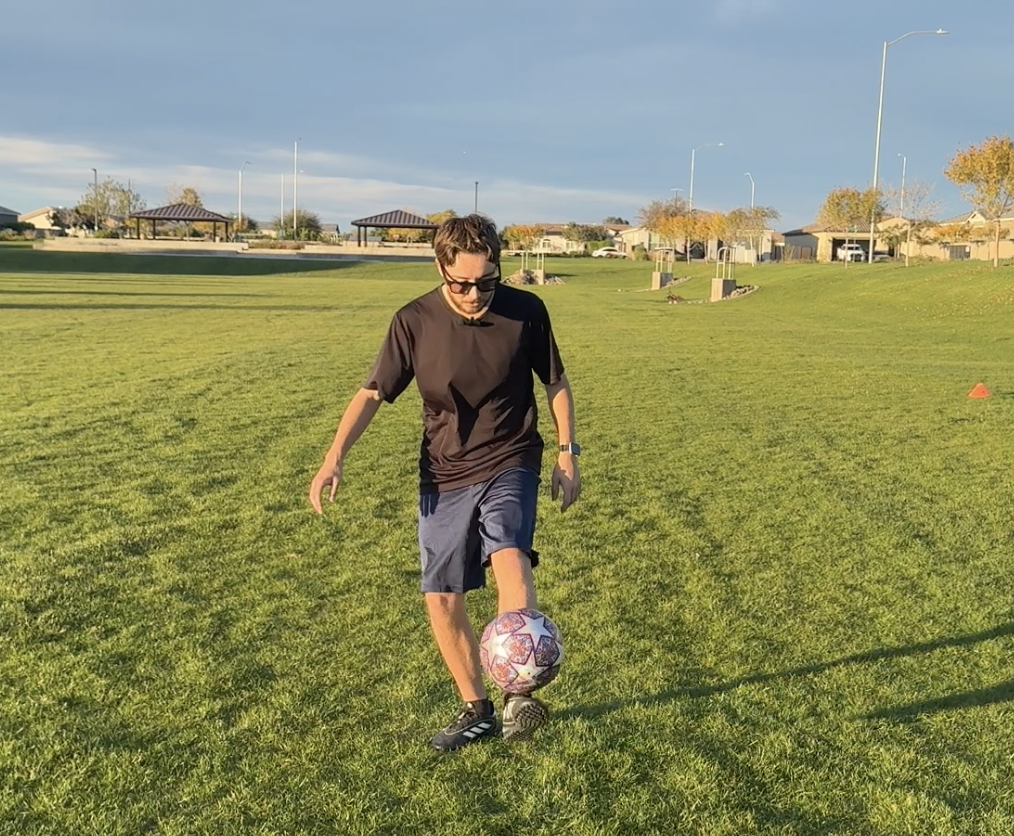
Before worrying about touches, I would explain how the ankle should be locked.
If a player can:
Lock their ankle correctly
Hold the ball on their foot for 2 to 3 seconds
Then we can move on.
Step 2: Touch and Catch
Next, everything is about control, not numbers.
All of this is done standing still.
One touch, then catch
One touch, catch
One touch, catch
Then:
Two touches, catch
Weak foot touch, catch
The goal is to get players comfortable with the feeling of the ball staying close to them.
Step 3: Remove the Catch
Once they can control one or two touches, we start building up.
One touch without catching
Two touches
Three touches
From there, we gradually increase.
I go into more detail on this progression in a video I created called Juggling Basics.
The Importance of Practice
To truly improve juggling, players need consistent practice.
15 to 20 minutes per day
Not 120 minutes in one day
Daily repetition builds muscle memory. Long, one time sessions do not.
Using Motivation and Goals
Confidence matters just as much as technique.
I like to set clear, achievable goals:
First goal: get to 10 touches
Then 20
Then 30
Then 50
After that:
Alternate strong and weak foot
Add knees
Keep the ball below the head
Each milestone builds confidence, not just juggling ability.
Why This Matters
Players who are confident juggling are more confident:
Taking a first touch
Making mistakes
Trying skills
Playing freely
That confidence shows up everywhere in their game.
Want to Help Your Player Build Confidence on the Ball?
To learn how to juggle and build real confidence in your player’s technical and skill abilities, use the link below to sign up and text Coach David for a private session today.
https://www.davidssoccertraining.com/#contact